Filter tips or standard tips: which does your experiment need?
A hydrophobic filter costs a little more per tip. Here is when it is worth it, and when a standard tip does the job.
Every pipette tip moves liquid. The difference between a standard tip and a filter tip is what happens to the air above the liquid. When you aspirate, a small amount of aerosol can travel up into the pipette shaft. In most routine work that is harmless. In sensitive work it can carry traces of one sample into the next.
What the filter does
A filter tip has a hydrophobic barrier inside the tip collar. Air passes through it, but aerosols and liquid are blocked before they reach the pipette. That protects two things: your next sample, and the pipette itself.
When to choose filter tips
- PCR and qPCR setup. Amplification picks up very small amounts of template, so carry-over between samples matters.
- RNA and DNA work. Pair filter tips with a sterile, DNase/RNase-free grade.
- Infectious or hazardous samples. The barrier keeps aerosols out of the pipette shaft.
- Volatile or viscous liquids that are more likely to creep up the tip.
When standard tips are enough
For buffers, reagent preparation, routine dilutions and general chemistry, a standard tip is accurate and economical. Bagged, non-sterile tips suit high-volume routine work; boxed, sterile tips suit work where handling and cleanliness matter more.
A quick way to decide
Ask one question: would a trace of the previous sample change my result? If yes, use a filter tip. If no, a standard tip is the simpler choice.
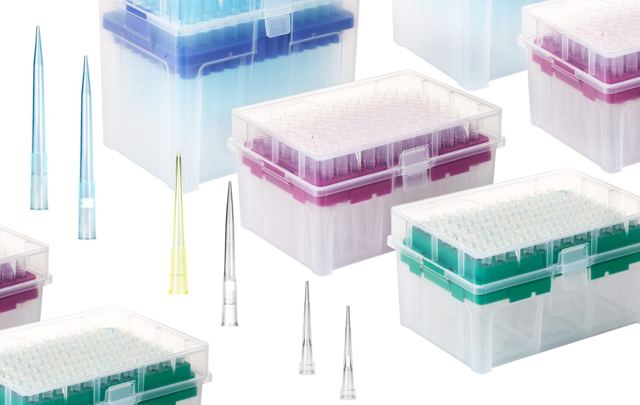
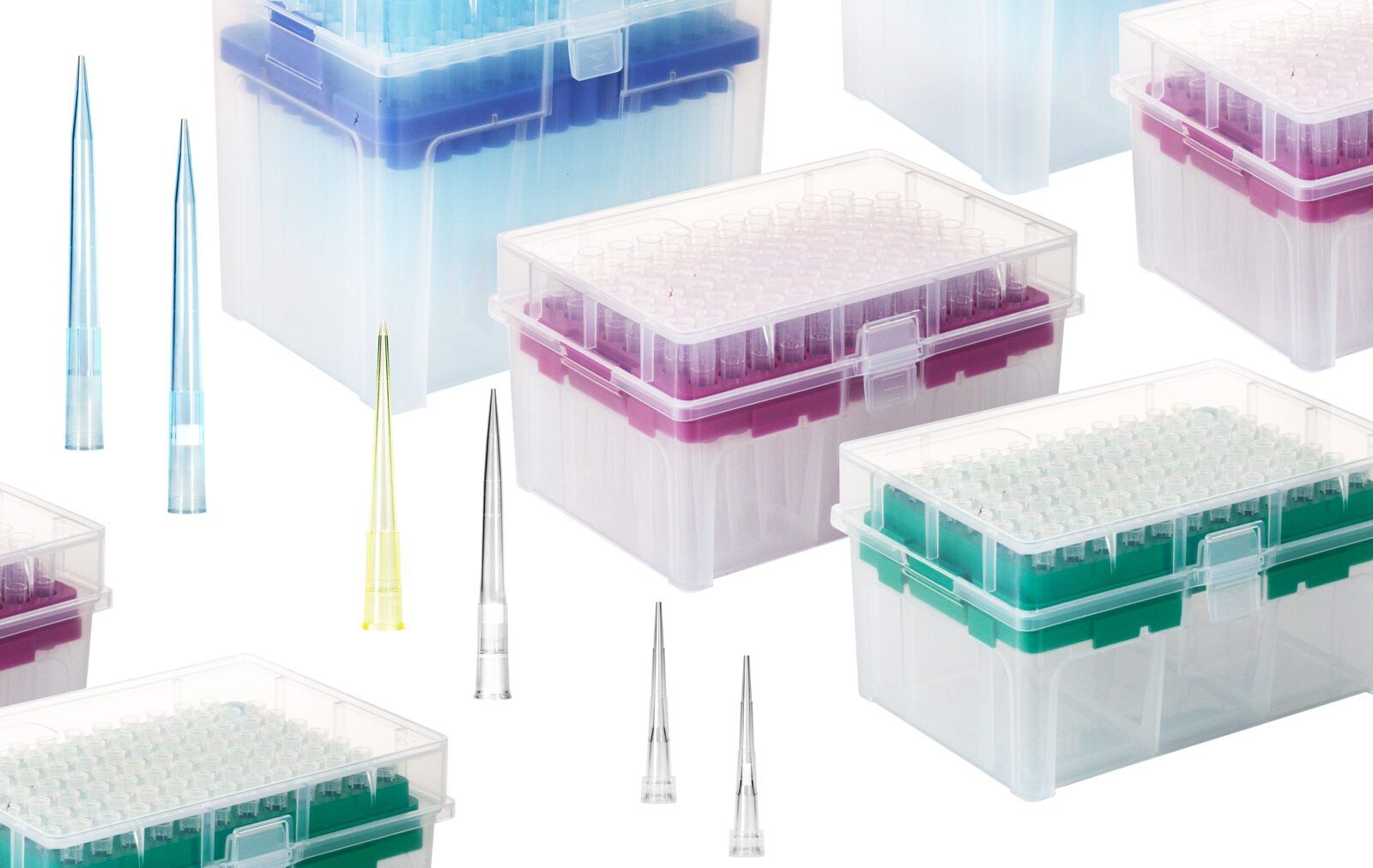
MODMAT universal pipette tips come in 10 µL, 200 µL and 1000 µL, as bagged, boxed sterile and filter sterile options, and fit single- and multi-channel pipettes from different manufacturers.
ทิปปิเปตทุกชิ้นใช้ดูดและถ่ายโอนของเหลว ความแตกต่างระหว่างทิปธรรมดากับทิปมีฟิลเตอร์อยู่ที่อากาศเหนือของเหลว ขณะดูด ละอองขนาดเล็ก (aerosol) อาจลอยขึ้นไปในก้านปิเปต สำหรับงานทั่วไปมักไม่เป็นปัญหา แต่ในงานที่ต้องการความแม่นยำสูง ละอองเหล่านี้อาจพาตัวอย่างหนึ่งไปปนเปื้อนตัวอย่างถัดไป
ฟิลเตอร์ทำหน้าที่อะไร
ทิปมีฟิลเตอร์มีแผ่นกั้นชนิดไม่ชอบน้ำ (hydrophobic) อยู่ภายในส่วนคอของทิป อากาศผ่านได้ แต่ละอองและของเหลวจะถูกกั้นไว้ก่อนถึงตัวปิเปต จึงช่วยปกป้องทั้งตัวอย่างถัดไปและตัวปิเปตเอง
ควรใช้ทิปมีฟิลเตอร์เมื่อไร
- การเตรียม PCR และ qPCR ปฏิกิริยาเพิ่มจำนวนตรวจจับแม่แบบได้แม้ปริมาณน้อยมาก การปนเปื้อนข้ามตัวอย่างจึงสำคัญ
- งาน RNA และ DNA ควรใช้คู่กับทิปเกรดปลอดเชื้อ ปราศจาก DNase/RNase
- ตัวอย่างติดเชื้อหรือเป็นอันตราย แผ่นกั้นช่วยป้องกันละอองเข้าสู่ก้านปิเปต
- ของเหลวระเหยง่ายหรือหนืด ที่มีแนวโน้มไหลขึ้นไปในทิป
เมื่อไรที่ทิปธรรมดาก็เพียงพอ
สำหรับบัฟเฟอร์ การเตรียมรีเอเจนต์ การเจือจางทั่วไป และงานเคมีพื้นฐาน ทิปธรรมดาให้ความแม่นยำและประหยัด ทิปแบบถุงที่ไม่ผ่านการฆ่าเชื้อเหมาะกับงานปริมาณมาก ส่วนทิปแบบกล่องปลอดเชื้อเหมาะกับงานที่ให้ความสำคัญกับความสะอาดและการหยิบใช้
วิธีตัดสินใจแบบง่าย
ถามตัวเองข้อเดียว: ถ้ามีตัวอย่างก่อนหน้าปนมาเพียงเล็กน้อย ผลการทดลองจะเปลี่ยนไหม ถ้าใช่ ให้ใช้ทิปมีฟิลเตอร์ ถ้าไม่ ทิปธรรมดาคือทางเลือกที่ง่ายกว่า
ทิปปิเปตอเนกประสงค์ของ MODMAT มีขนาด 10 µL, 200 µL และ 1000 µL ทั้งแบบถุง แบบกล่องปลอดเชื้อ และแบบมีฟิลเตอร์ปลอดเชื้อ ใช้ได้กับปิเปตทั้งแบบช่องเดียวและหลายช่องจากหลายผู้ผลิต