PES, MCE, PVDF, nylon or PTFE? Choosing a syringe filter membrane
Five membranes, five jobs. Match the membrane to your sample and you protect both your result and your instrument.

A syringe filter looks simple: push the sample through and particles stay behind. The part that decides whether it works well is the membrane. Each material handles water, solvents and proteins differently.
PES (polyethersulfone)
Fast flow and low protein binding. A strong choice for aqueous and biological samples, such as culture media, buffers and protein solutions, where you want to lose as little of the sample as possible.
MCE (mixed cellulose esters)
A general-purpose membrane for aqueous solutions, widely used in microbiology and routine lab filtration. It is not suited to most organic solvents.
PVDF (polyvinylidene fluoride)
Low protein binding with broad chemical compatibility. Often chosen for protein work and for preparing samples for HPLC.
Nylon
Handles both aqueous and many organic solvents, which makes it popular for HPLC sample preparation. Nylon binds proteins more strongly, so avoid it when protein recovery matters.
PTFE (polytetrafluoroethylene)
Hydrophobic and highly resistant to aggressive chemicals. Use it for organic solvents, acids and bases, and for filtering air or gases.
A quick guide
- Biological, aqueous sample: PES or PVDF
- General aqueous filtration: MCE
- Mixed aqueous and organic solvents: nylon
- Strong solvents or gases: PTFE
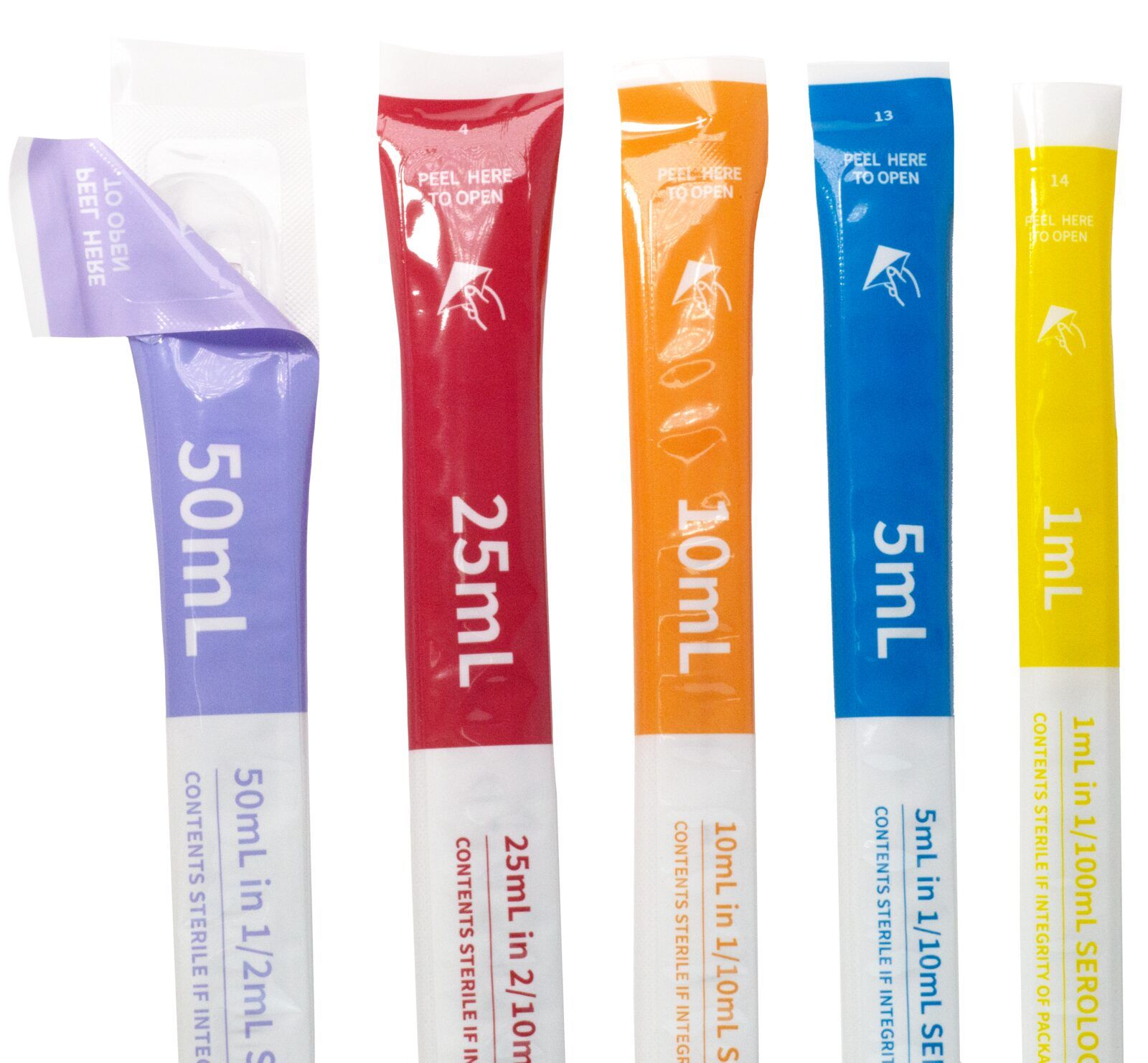
MODMAT syringe filters are available in all five membranes, each colour-coded, individually packed and gamma sterilised to SAL 10⁻⁶ (ISO 11137).
ไซริงค์ฟิลเตอร์ดูเรียบง่าย เพียงดันตัวอย่างผ่าน อนุภาคก็จะถูกกักไว้ แต่สิ่งที่ตัดสินว่าจะกรองได้ดีหรือไม่คือเมมเบรน วัสดุแต่ละชนิดมีปฏิกิริยากับน้ำ ตัวทำละลาย และโปรตีนต่างกัน
PES (พอลิอีเทอร์ซัลโฟน)
อัตราการไหลสูงและจับโปรตีนต่ำ เหมาะกับตัวอย่างชีวภาพและสารละลายน้ำ เช่น อาหารเลี้ยงเซลล์ บัฟเฟอร์ และสารละลายโปรตีน ที่ต้องการให้ตัวอย่างสูญเสียน้อยที่สุด
MCE (เซลลูโลสเอสเทอร์ผสม)
เมมเบรนอเนกประสงค์สำหรับสารละลายน้ำ นิยมใช้ในงานจุลชีววิทยาและการกรองทั่วไปในแล็บ ไม่เหมาะกับตัวทำละลายอินทรีย์ส่วนใหญ่
PVDF (พอลิไวนิลิดีนฟลูออไรด์)
จับโปรตีนต่ำและทนสารเคมีได้หลากหลาย มักใช้ในงานโปรตีนและการเตรียมตัวอย่างสำหรับ HPLC
ไนลอน
ใช้ได้ทั้งกับสารละลายน้ำและตัวทำละลายอินทรีย์หลายชนิด จึงนิยมใช้เตรียมตัวอย่างสำหรับ HPLC แต่ไนลอนจับโปรตีนได้มาก จึงไม่ควรใช้เมื่อต้องการเก็บโปรตีนให้ได้มากที่สุด
PTFE (พอลิเตตระฟลูออโรเอทิลีน)
ไม่ชอบน้ำและทนสารเคมีรุนแรงได้ดีมาก ใช้กับตัวทำละลายอินทรีย์ กรด ด่าง และการกรองอากาศหรือก๊าซ
สรุปแบบย่อ
- ตัวอย่างชีวภาพหรือสารละลายน้ำ: PES หรือ PVDF
- การกรองสารละลายน้ำทั่วไป: MCE
- สารละลายน้ำผสมตัวทำละลายอินทรีย์: ไนลอน
- ตัวทำละลายรุนแรงหรือก๊าซ: PTFE
ไซริงค์ฟิลเตอร์ MODMAT มีครบทั้ง 5 ชนิดเมมเบรน แยกสีชัดเจน บรรจุแยกชิ้น และฆ่าเชื้อด้วยรังสีแกมมาที่ระดับ SAL 10⁻⁶ (ISO 11137)